
How To Inspect Your Roof for Leaks in Sioux Falls
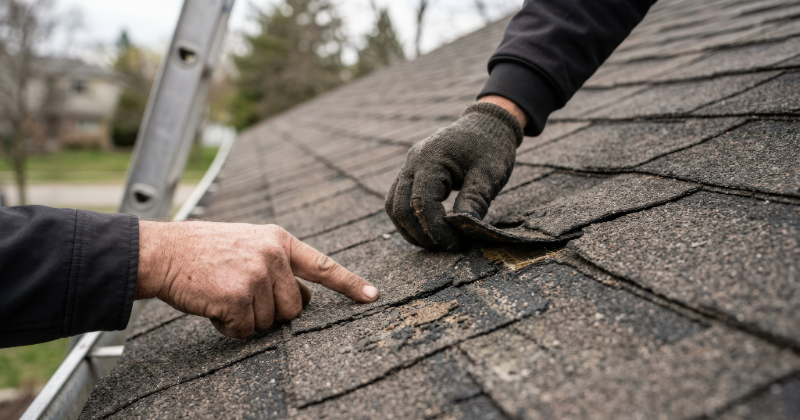
A roof leak can start as a small problem and quickly lead to water damage, mold, damaged insulation, or costly repairs. In Sioux Falls, seasonal weather can put additional stress on your roof. Heavy snow, ice, strong winds, hail, and temperature changes can all contribute to roof damage.
Knowing how to look for the early signs of a leak can help you identify problems before they become more serious. While a basic inspection can help you spot potential issues, a professional roof inspection is the best way to determine the condition of your roofing system and identify damage that may not be visible from the ground.
Why Identifying a Roof Leak is Important
Roof leaks do not always start with an obvious stream of water coming through your ceiling. In many cases, water can enter through a small opening and travel along roofing materials, insulation, or framing before it becomes visible inside your home.
Identifying a leak early can help prevent more extensive damage. Even a small amount of moisture can damage drywall, insulation, wood framing, and other parts of your home over time. Addressing the source of the leak early can often help reduce repair costs and protect the rest of your roofing system.
Why Should You Fix Minor Issues?
Small roofing issues can become larger problems if they are left unaddressed. A missing shingle, damaged flashing, or small area of exposed roofing material may allow water to enter your home during the next storm.
This is especially important in Sioux Falls, where roofs are exposed to changing weather conditions throughout the year. Taking care of minor damage when it is first discovered can help extend the life of your roof and prevent more extensive repairs.
If you notice a potential problem, it is worth having it evaluated even if your roof is not currently leaking. A professional can determine whether the issue requires a simple repair or if there are larger concerns that should be addressed.
What Are the Signs of a Roof Leak Inside Your House?
Some roof leaks are easy to spot, while others can develop gradually. Watch for signs of moisture or water damage throughout your home, particularly after heavy rain, snow, or severe weather.
Common signs of a roof leak include:
- Water stains or discoloration on ceilings and walls
- Damp or damaged insulation in the attic
- Dripping or pooling water
- Peeling paint or damaged drywall
- Musty odors
- Mold or mildew
- Wet or darkened areas around roof penetrations
- Visible daylight coming through the roof deck
- Sagging areas of the ceiling
If you notice any of these signs, do not assume the problem will go away on its own. The visible damage may not be directly below the source of the leak, so finding and addressing the underlying problem is important.
Where Do Roof Leaks Usually Come From?
Roof leaks can develop in several areas of a roofing system. Some of the most common sources include damaged or missing shingles, deteriorated flashing, roof penetrations, skylights, chimneys, vents, and areas where different roofing materials meet.
Age and weather exposure can also contribute to leaks. Strong winds and hail can damage shingles, while repeated freezing and thawing can put additional stress on roofing materials and flashing.
Because water can travel before entering your home, the location of an interior water stain does not always indicate where the roof is actually leaking. A professional inspection can help identify the source of the problem.
How to Inspect Your Roof for Leaks in Sioux Falls
If you suspect your roof is leaking, you can start by looking for visible signs of moisture or damage. Always prioritize safety. Avoid walking on a wet, icy, or steep roof, and do not inspect areas that could put you at risk of falling.
1. Inspect Your Attic
Your attic can provide some of the earliest signs of a roof leak. Look for wet or damaged insulation, water stains, dark spots on the roof decking, or areas where moisture may be collecting.
Inspect the attic after or during rainfall if it can be done safely. You may be able to identify active dripping or moisture that would otherwise be difficult to see from inside your home.
2. Check Roof Penetrations
Roof penetrations are areas where something passes through your roofing system. These can include plumbing vents, chimneys, skylights, exhaust vents, and other fixtures.
Check these areas for visible signs of damaged or deteriorated flashing, gaps, cracked materials, or moisture. Because these areas interrupt the roof’s surface, they can be common locations for leaks to develop.
3. Visually Inspect Your Roof
From the ground or another safe location, look for obvious signs of roof damage. Missing or damaged shingles, exposed roofing materials, damaged flashing, and areas that appear uneven or deteriorated can all indicate a potential problem.
After severe weather in Sioux Falls, it is especially important to look for signs of wind or hail damage. If you cannot safely access the roof, do not attempt to climb onto it just to perform an inspection.
4. Evaluate Larger Areas
A roof leak may be the result of more than one damaged area. Look beyond the immediate location of a leak and consider the overall condition of your roofing system.
If you see widespread shingle damage, aging materials, multiple areas of deterioration, or repeated leaks, a larger roofing issue may be present. A professional inspection can help determine whether repairs are appropriate or whether replacement should be considered.

Sioux Falls Roof Leak Inspection Tips
Regular inspections can help you catch roofing problems before they lead to more significant damage. After major storms, take time to look for visible signs of damage and check your attic for signs of moisture.
Keep an eye on areas around chimneys, vents, skylights, and other roof penetrations. These areas can be more vulnerable to leaks and should be checked regularly.
It is also important to avoid putting yourself at risk. Wet, icy, or damaged roofs can be dangerous to walk on. When in doubt, have a roofing professional inspect the area instead.
When Should You Call a Sioux Falls Roofing Professional?
You should consider contacting a roofing professional if you notice signs of water damage, an active leak, missing or damaged shingles, deteriorated flashing, or other visible roof damage.
A professional inspection is also recommended after significant hail or wind storms, even if you do not notice a leak. Some storm damage may not be immediately visible from the ground or from inside your home.
If your roof has recurring leaks or widespread damage, a professional can evaluate the condition of the entire roofing system and help you understand your options. CE Construction can inspect your roof, identify potential problems, and recommend the appropriate solution based on the condition of your roofing system.
How to Prevent Roof Leaks
Regular maintenance and inspections are some of the best ways to help prevent roof leaks. Have your roof inspected periodically and after significant storms, particularly if your home has experienced hail, high winds, or heavy snowfall.
Keep gutters and downspouts clear so water can properly drain away from your roof and home. Address damaged shingles, flashing, and other minor issues before they have an opportunity to develop into larger problems.
Most importantly, do not ignore signs of moisture or roof damage. Taking action early can help protect your home, extend the life of your roofing system, and prevent unnecessary repair costs.
