Got Hail Damage? Roof Repair the Right Way
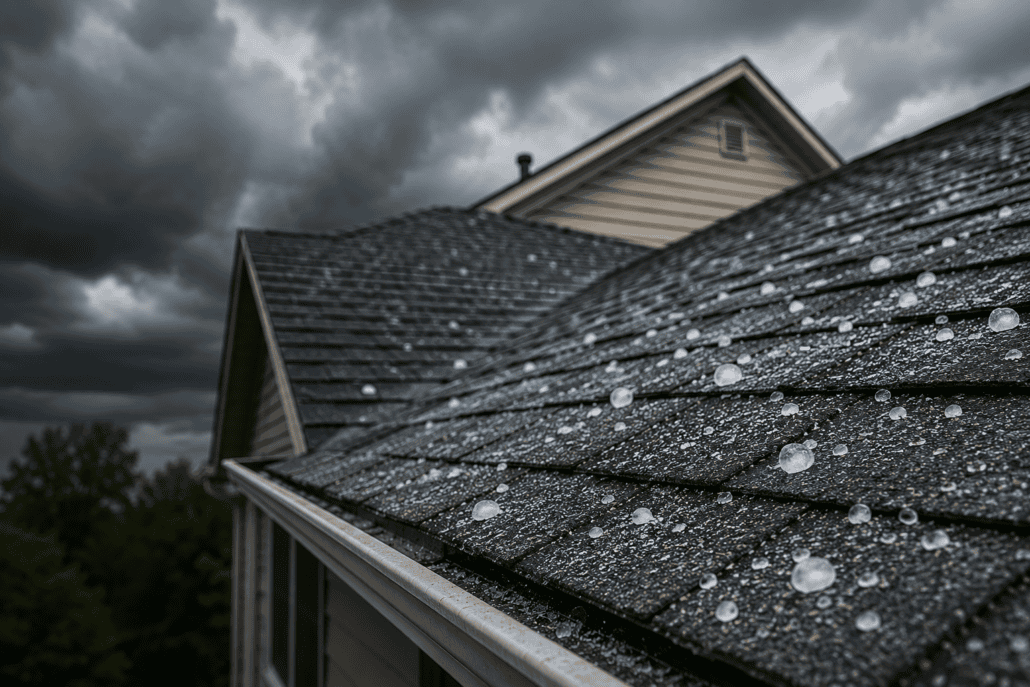
Hailstorms can cause significant damage to residential roofs, sometimes without leaving obvious signs from the ground. Throughout South Dakota and North Dakota, including Rapid City, Mitchell, Sioux Falls, and Bismarck, severe thunderstorms, strong winds, and hail can damage shingles, loosen roofing materials, and create openings that allow water to enter your home.
If you suspect hail damage, knowing what to do next can help prevent additional problems and unnecessary expenses. From identifying damage to scheduling a professional inspection, taking the right steps can make the roof repair process easier to manage.
CE Construction provides residential roofing services in Rapid City, Mitchell, Sioux Falls, and Bismarck, including roof inspections, repairs, replacements, and storm damage restoration. Whether your roof has minor damage or requires more extensive work, understanding your options can help you make an informed decision.
How Hail Can Damage Your Roof
Hail damage varies depending on the size and density of hailstones, wind speed, roofing materials, and the condition of your roof before the storm.
Asphalt shingles are particularly vulnerable to impacts that can damage their protective surfaces. Hail may dislodge granules, fracture the shingle material, or weaken areas that help protect the roof from moisture.
Other roofing components, including flashing, vents, gutters, and metal trim, can also sustain damage.
Not every hailstorm causes roof damage, and visible marks don’t always mean a roof needs replacement. A professional inspection can help determine whether the roofing system has sustained functional damage.
Common Signs of Hail Damage on Your Roof
Some signs of hail damage are easy to recognize, while others may require a closer inspection.
After a storm, homeowners should look for the following warning signs.
Damaged or Missing Shingles
Hail impacts may leave bruises, cracks, or areas where protective granules have been displaced.
Strong winds accompanying a storm can also lift or remove shingles, leaving vulnerable areas exposed.
Dented Gutters and Metal Components
Dents in gutters, downspouts, roof vents, and metal flashing may indicate that hail struck your property.
Although dents alone don’t confirm damage to the shingles, they can help identify areas that deserve closer evaluation.
Shingle Granules Around Downspouts
Asphalt shingles contain protective granules that help shield the underlying material from sunlight and weather exposure.
Finding a large amount of granules near downspouts after a storm may indicate shingle damage. However, some granule loss also occurs naturally as shingles age.
Water Stains or Interior Leaks
New water stains on ceilings or walls may indicate that roofing materials or flashing have been compromised.
Water can travel along roof decking and framing before becoming visible indoors, so the location of a stain may not reveal the actual source of the leak.
If you notice any of these warning signs, consider scheduling a professional roof inspection with CE Construction.
What to Do After a Hailstorm
Whether you live in Rapid City, Mitchell, Sioux Falls, or Bismarck, taking a few practical steps after a hailstorm can help protect your property and make the repair process more manageable.
1. Check Your Property From the Ground
Begin by looking for obvious damage around your home.
Check for fallen branches, damaged gutters, displaced shingles, and roofing debris. You can also use binoculars to examine visible roof areas.
Avoid climbing onto your roof, especially if it is wet, steep, or damaged.
2. Document Visible Damage
Take photographs of any damage you can safely observe.
Record the approximate date of the storm and make notes about new leaks, missing shingles, or other changes.
This information may be helpful when discussing repairs with a roofing contractor or communicating with your insurance provider.
3. Prevent Additional Water Damage
If water is entering your home, move furniture and personal belongings away from affected areas when safe.
Place containers beneath active drips and avoid electrical fixtures near water intrusion.
If temporary roof protection is necessary, contact a qualified roofing professional rather than attempting to install tarps yourself.
4. Schedule a Professional Roof Inspection
A professional roofing contractor can evaluate your roof for visible hail and wind damage, identify potential problem areas, and explain whether repairs or replacement may be necessary.
CE Construction provides roofing inspections and storm damage services throughout its South Dakota and North Dakota service areas.
5. Review Your Homeowners Insurance Coverage
If storm damage is confirmed, review your homeowners insurance policy to understand your deductible, coverage limitations, and reporting requirements.
Your insurance provider can explain the claims process and determine whether the damage qualifies for coverage.
Why a Professional Hail Damage Inspection Matters
Hail damage isn’t always visible from the ground. Some impacts may affect the underlying structure of asphalt shingles without creating an obvious opening.
During a professional inspection, a roofing contractor may examine:
-
Shingles for cracks, bruising, and granule loss
-
Flashing around chimneys, vents, and roof transitions
-
Roof valleys and vulnerable drainage areas
-
Gutters, downspouts, and metal components
-
Signs of wind damage or displaced roofing materials
-
Accessible areas where moisture may be entering
The goal is to identify the type and extent of damage and determine whether the roof can be repaired or requires more extensive work.
A qualified contractor should explain the findings rather than automatically recommending a complete replacement.
Roof Repair vs. Roof Replacement After Hail Damage
One of the biggest questions homeowners have after a hailstorm is whether their roof can be repaired or needs to be replaced.
The answer depends on the severity and distribution of damage, the roofing material, and the roof’s overall condition.
When Roof Repair May Be Enough
Roof repair may be appropriate when damage is limited to a small area and the surrounding roofing materials remain in good condition.
For example, replacing a few damaged shingles or repairing localized flashing problems may restore the affected area without replacing the entire roof.
The contractor should also evaluate whether compatible replacement materials are available and whether repairs can be completed without damaging surrounding shingles.
When Roof Replacement May Be Necessary
Roof replacement may be recommended when hail damage affects a large portion of the roof or when the existing roofing system has significant deterioration.
Other factors include repeated leaks, widespread shingle damage, and the condition of the underlying roof decking.
A professional evaluation can help determine which option offers an appropriate long-term solution.
Choosing Roofing Materials After Hail Damage
If your roof needs replacement, it may be an opportunity to consider roofing materials with improved resistance to severe weather.
Impact-Resistant Asphalt Shingles
Some asphalt shingles are manufactured and tested to meet enhanced impact-resistance classifications.
Class 4 impact-resistant shingles, for example, meet the highest classification under the UL 2218 impact-resistance test.
However, a Class 4 rating does not mean the shingles are hail-proof or guaranteed to prevent damage during every storm.
Homeowners should compare manufacturer specifications, warranties, and installation requirements before choosing a product.
Metal Roofing
Metal roofing can offer durability and weather resistance, depending on the system and installation.
However, hail can still cause cosmetic denting or functional damage to certain metal roofing products.
A roofing contractor can explain the differences between available materials and help determine which options are suitable for your home.
Proper Installation Is Essential
Regardless of the material, proper installation is critical.
Underlayment, flashing, fastening methods, roof ventilation, and attention to penetrations all contribute to the roofing system’s performance.
Choosing an experienced roofing contractor can help ensure these components are evaluated and installed appropriately.
How Roofing Insurance Claims Work After a Hailstorm
Homeowners insurance may cover qualifying hail damage, but coverage varies by policy.
Some policies provide replacement-cost coverage, while others may apply actual-cash-value calculations, depreciation, special wind and hail deductibles, or roof-specific exclusions.
Before filing a claim, review your policy and contact your insurance provider with questions about coverage.
A roofing contractor can assist by documenting observed damage, preparing repair estimates, and explaining the work required to restore your roof.
CE Construction assists homeowners in Rapid City, Mitchell, Sioux Falls, Bismarck, and surrounding service areas with storm-related roofing concerns and the roofing portion of the insurance claims process.
However, insurance companies determine coverage and payment amounts under the policy. A contractor cannot guarantee claim approval.
How to Choose a Roofing Contractor for Hail Damage Repairs
After a major storm, homeowners may receive offers from multiple roofing companies.
Before hiring a contractor, take time to verify qualifications and compare the proposed work.
Look for a roofing company that:
-
Has experience with hail and storm damage repairs
-
Provides proof of appropriate insurance
-
Meets applicable local licensing requirements
-
Offers detailed written estimates
-
Explains repair and replacement options
-
Provides clear warranty information
-
Can answer questions about roofing materials and installation
Be cautious of contractors who pressure you to sign immediately, promise guaranteed insurance approval, or recommend unnecessary replacement without explaining the damage.
A dependable contractor should help you understand your options and make decisions based on your roof’s actual condition.
Hail Damage Roofing Services in South Dakota and North Dakota
CE Construction provides residential roof repair, replacement, and storm damage restoration services across multiple communities in South Dakota and North Dakota.
Rapid City and the Black Hills
Homeowners in Rapid City and the surrounding Black Hills experience severe thunderstorms, hail, strong winds, and winter weather. CE Construction provides roofing inspections and repair and replacement services to help homeowners address damage caused by these conditions.
Mitchell, SD
Hailstorms and strong winds can leave Mitchell-area homes vulnerable to damaged shingles, loose flashing, and water intrusion. CE Construction helps homeowners identify storm-related roofing concerns and determine whether repairs or replacement are necessary.
Sioux Falls, SD
Severe weather can affect residential roofs throughout Sioux Falls and eastern South Dakota. CE Construction provides roof inspections, hail damage repairs, and roof replacement services to help homeowners maintain and restore their roofing systems.
Bismarck, ND
Bismarck homeowners also face challenging weather conditions, including hail, high winds, snow, and seasonal temperature changes. CE Construction offers residential roofing services to help address storm damage, leaks, and aging roofing materials.
Why Choose CE Construction for Hail Damage Roofing?
CE Construction provides residential roofing services throughout its South Dakota and North Dakota service areas, including roof inspections, repairs, replacements, and storm damage restoration.
The company understands the challenges that regional weather presents and works with homeowners to identify roofing problems and determine appropriate solutions.
Whether your roof has sustained localized hail damage or requires a complete replacement, CE Construction can help evaluate the damage, explain repair options, and provide guidance through the roofing process.
For homeowners dealing with storm damage, having an experienced roofing team available can make the process of restoring their property easier to navigate.
Frequently Asked Questions About Hail Damage Roofing
How do I know if hail damaged my roof?
Possible signs include cracked or bruised shingles, displaced granules, dented metal components, and missing roofing materials. Some damage isn’t visible from the ground, so a professional inspection may be necessary.
Can hail damage cause roof leaks?
Yes. Hail can fracture shingles, damage flashing, or weaken roofing components, potentially allowing water to enter. However, not every hail impact causes a leak, and some damage may not affect the roof’s immediate performance.
Does hail damage always require roof replacement?
No. Localized damage may be repairable when the surrounding roofing materials are in good condition. More extensive damage or widespread deterioration may make replacement necessary.
How soon should I have my roof inspected after a hailstorm?
If you suspect significant damage, arrange an inspection as soon as reasonably practical. Active leaks or visibly displaced roofing materials should receive more urgent attention to help prevent additional water damage.
Will homeowners insurance pay for hail damage repairs?
Many homeowners policies cover certain hail-related damage, but coverage depends on the policy terms, deductibles, exclusions, and cause of damage. Your insurance provider can explain what coverage applies to your property.
Get Professional Hail Damage Roof Repair in South Dakota and North Dakota
Hail damage can affect more than the appearance of your roof. Damaged shingles, flashing, and other roofing components may leave your home vulnerable to moisture and additional deterioration.
Knowing what to look for, documenting visible damage, and scheduling a professional inspection can help you address problems before they become more serious.
CE Construction provides hail damage roofing services, roof repairs, replacements, and storm damage restoration in Rapid City, Mitchell, Sioux Falls, Bismarck, and surrounding communities.
If your home has experienced a recent hailstorm, contact CE Construction today to schedule a roof inspection and learn more about your repair or replacement options.

